Best Deck Material Options for 2026 and How to Choose the Right One
March 11, 2026

Building a new deck is more than just adding a feature to your home; it’s about creating an outdoor space where you can relax, entertain, and enjoy the beauty of your surroundings. But choosing the right decking material is crucial to ensure that your deck not only looks great but also stands the test of time. From traditional wood options to innovative PVC decking, each option comes with its unique maintenance requirements, long-term expenses, and ultimate investment value. The key lies in identifying the material that complements your lifestyle needs the best.
In this guide, we’ll explore the best decking materials for 2026, taking into account the pros and cons of each material type so you can make an informed decision for your deck.
Overview of Popular Decking Materials
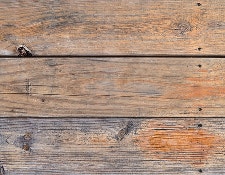
PRESSURE-TREATED WOOD
Typically pine wood that is chemically treated and placed in a pressure chamber
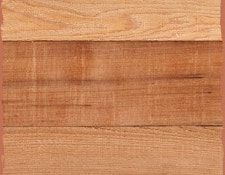
TRADITIONAL WOOD
The most common types include cedar, redwood, and ipe
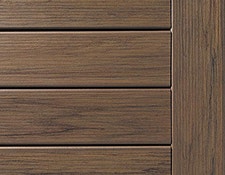
COMPOSITE DECKING
Decking made from a blend of wood particles and plastic
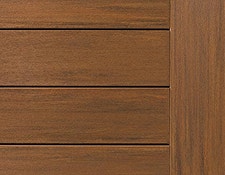
PVC DECKING
Premium decking made from polyvinyl chloride (PVC)
Pressure-Treated Wood Decking
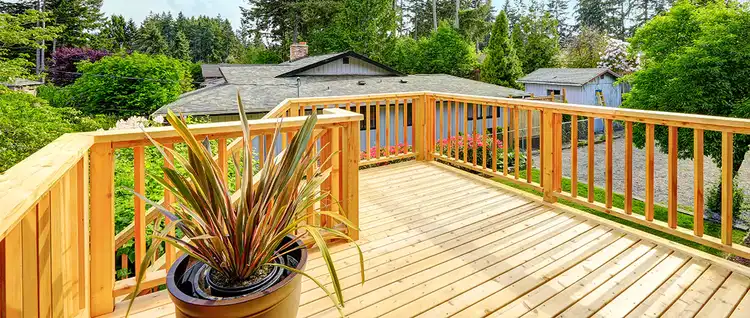
One of the most popular decking material options is pressure-treated wood. The wood, usually pine, is chemically treated and placed in a chamber that applies pressure to the wood to help delay deterioration. However, this material has the lowest long-term value, since the wood ultimately begins to breakdown and will require costly maintenance and repair over time. Pressure-treated wood usually has a lower price point, attracting those looking for a more budget-friendly decking material. However, the frequent costly maintenance gives pressure-treated wood the lowest long-term value since the material tends to warp, crack and rot over time.
Pros:
- Affordability: This material is one of the most cost-effective options available, making it a popular choice for budget-conscious homeowners.
- Natural Aesthetic: It offers a natural wood look which many homeowners find appealing.
Cons:
- High Maintenance: Requires regular sanding, sealing and staining to maintain its appearance and durability.
- Susceptible to Warping and Cracking: Over time, pressure-treated wood can fade, split, warp and crack, leading to costly repairs.
- Quick deterioration: This can lead to poor appearance and painful splinters in barefeet.
- Higher Long-term Costs: Although cheaper upfront, the maintenance costs can add up over time.
- Shorter Lifetime: A wood deck will likely need replaced after 10-15 years.
Ideal For:
- Homeowners who have a tight budget but are willing to invest time and effort in maintenance.
Traditional Wood Decking
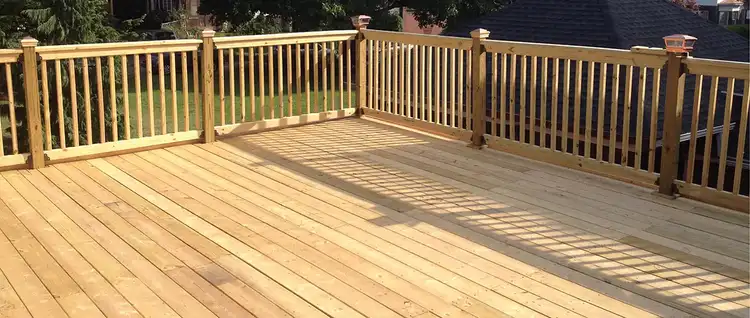
Traditional wood decks can be made from an assortment of different wood types including softwoods like cedar and redwood or hardwoods like ipe and mahogany. Traditional wood decks are common for a reason — they are generally strong and offer the natural wood look you expect from a deck.
Hardwood has a moderate long-term value, as these materials outperform softwood, but they are still susceptible to moisture and weathering from the elements which means they require maintenance every 1-3 years. This maintenance is extensive including sanding, staining and sealing the wood regularly. Even with consistent maintenance, traditional wood boards will fade, crack, splinter, and deteriorate over time and require replacement — adding yet another expense to your deck budget.
Premium softwoods and hardwoods like ipe, cedar, and redwood are ideal for homeowners who value the luxurious look of natural wood, and who don’t mind the constant maintenance required to maintain their look, as well as the upfront costs.
Pros:
- Natural Aesthetic: These woods offer a rich, natural appearance that enhances the aesthetic appeal of your deck.
Cons:
- High Maintenance: These woods require regular upkeep to maintain their aesthetic and prevent deterioration.
- Costly: Premium softwoods and hardwoods come with a high price tag both initially and for ongoing maintenance.
- Environmental Impact: Harvesting these woods can be less sustainable compared to other materials.
- Deterioration: Over time, weathering can lead to poor appearance as well as cracking, splitting and painful splinters in bare feet.
Ideal For:
- Homeowners who are willing to invest in both the initial and ongoing costs and effort for a premium look and feel.
Composite Decking

Composite decking offers a seamless blend of style, performance, and sustainability. Made from recycled plastic and wood fibers, it stands out for its low maintenance and versatility. TimberTech takes composite decking a step further, with many composite collections featuring a full cap that wraps around the entire board, including the bottom, ensuring superior protection against mold and rot. This sets TimberTech apart, as many other competitive composite boards only offer partial capping, leaving them vulnerable to water damage.
Opting for composite decking means enjoying a deck that requires minimal upkeep, allowing you to spend more relaxing and less time maintaining. While the initial investment may be similar to traditional softwood and hardwood decks, composite decks provide longer-term savings with their durability and manufacturer-backed warranties, offering peace of mind. Ideal for those who value an eco-friendly solution with the authentic look of wood, composite decking is perfect for homeowners ready to invest in lasting quality.
Pros:
- Low Maintenance: Composite decking is designed to be low maintenance, requiring only occasional cleaning.
- Sustainability: Often made from recycled materials, making it an eco-friendly choice.
- High Performance: Durable and resistant to rotting, splintering and insect damage.
- Warranty Protection: From fade and stain warranties to standard product warranties, coverage can be up to 30 years* or more.
- Stylish Color Options: Composite decking comes in a wide variety of colors, grain patterns and wood looks.
Cons:
- Higher Upfront Costs: While it can save you money in the long run, the initial investment can be higher compared to wood.
- Can Get Hot in the Sun: This is especially true for darker colors.
Ideal For:
- Homeowners who prefer spending less time on maintenance.
- Those interested in eco-friendly materials and long-term savings.
PVC Decking

PVC deck boards are made are made from a blend of polymers and feature three- or four-sided capping. The best PVC boards have no wood or organic material in their cap or core that could compromise performance. This type of decking material is great for long-term value, since it is more durable and nearly maintenance free.
PVC decking is a good option if you’re looking for durability, especially if you’re placing it near a water-prone area. TimberTech Advanced PVC Decking is engineered to be slip resistant and stay cooler* than composite, so you can worry less about the summer sun.
If sustainability is important to you, TimberTech Advanced PVC Decking is made with up to 60% recycled materials, including hard-to-recycle plastics like vinyl siding from construction sites. When it comes to costs, although there is a range, PVC is usually one of the more expensive options available. However, the cost is comparable — and sometimes even more affordable — than premium hardwoods like ipe.
Pros:
- Minimal Maintenance: PVC decking requires very little upkeep, making it ideal for busy homeowners.
- High Performance: It’s highly resistant to moisture, insects, and rot, ensuring longevity.
- Real Wood Looks & Variety of Options: Many modern PVC options mimic the appearance of real wood, offering aesthetic appeal without the drawbacks.
- Warranty Protection: From fade and stain warranties to standard product warranties – coverage can be up to 50 years or more.
Cons:
- Cost: Similar to composite decking, PVC comes with a higher initial cost compared to pressure treated lumber.
- Less Recycled Material: While TimberTech Advanced PVC uses less recycled material than TimberTech Composite, our Advanced PVC is a more sustainable option than wood and has a lower carbon footprint.
Ideal For:
- Homeowners who want a deck that requires minimal upkeep.
- Those who value durability and resistance to environmental factors but still want a wood-like appearance.
*Although TimberTech Advanced PVC decking is cooler to the touch than many other deck board products, all decking products will get hot in the sun. Additionally, the darker the decking color, the hotter it will feel. For hotter climates, consider choosing a lighter color.
Making Your Choice
When selecting the best decking material for your home, consider the following factors:
- Budget: Determine your budget for both initial costs and long-term maintenance.
- Maintenance: Assess how much time and effort you’re willing to invest in maintaining your deck annually.
- Aesthetic Preferences: With so many textures and colors to choose from, it’s easy to find your preferred real wood look in the TimberTech Decking assortment.
- Durability and Longevity: Consider how long you want your deck to last and what environmental factors it will need to withstand.
- Sustainability: If environmental impact is important to you, look for materials that are sustainably sourced or made from recycled content.
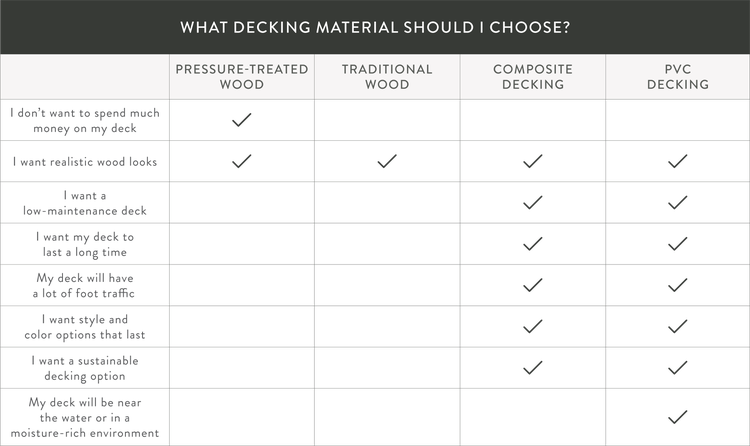
Consider the below preferences to help make your decision:
Conclusion
Choosing the right decking material is a critical step in building a beautiful, durable deck that suits your lifestyle and budget. Whether you opt for the natural charm of premium hardwoods, the low-maintenance convenience of composite, or the high performance of PVC, there’s a perfect option for every homeowner.
Ready to get started on your dream deck? Reach out to our team of experts for personalized advice on the best decking materials for 2026.
Frequently Asked Questions
Which is better, wood decking or composite?
What is the best deck material for cold weather?
What deck material is the most durable?
What is the best deck material for long-term costs?
What is the best deck material for full sun?
What is the best deck material for mold and mildew resistance?
What is the best deck material for heavy foot traffic?
What is the best deck material for docks or by water?
Order Free Samples
Compare colors, finishes, and materials, and see the real wood aesthetics of TimberTech Decking in your outdoor space.