Heat Resistant Composite Decking: The Ultimate Guide
April 3, 2026

Do you live in a warm climate? Will your deck be in full sun during the day? If so, heat mitigation (often referred to as "heat resistance") is something you’ll want to plan for — and the way to do that is by choosing the right material and color.
A hot deck can put a damper on summer afternoons, making outdoor living uncomfortable without proper footwear. While all decking materials will get hot in the sun, TimberTech Advanced PVC Decking is specifically engineered to reflect more sunlight, retain less heat, and cool down quicker compared to other composite materials — with several colors staying up to 30° cooler than many traditional composites.*
If real wood looks, long-lasting durability, fire resistance, and sustainability are also top considerations for you, TimberTech Advanced PVC Decking is your best choice for a heat-mitigating decking material. You can check out our guide to learn more about the differences between decking materials.
Building the perfect deck is achieved through a marriage of performance and aesthetics. There are lots of aesthetic factors that can influence your color choice, like the color of your house or design style. But if heat mitigation is something you’re planning for, this guide can help you choose the perfect color for your deck.
The Role Color Plays in Heat Resistant Decking
In addition to material science, color choice plays a significant role in managing heat retention. In general, lighter colors reflect more sunlight, keeping the surface temperature lower. Within TimberTech Advanced PVC Collections, a lighter decking color will give you better results compared to most darker colors
Best TimberTech Decking Colors for Heat Resistance
These Advanced PVC Cool Touch™ colors are some of the best choices for heat mitigation. If you're considering composite over PVC, Whitewashed Cedar® from the Legacy Collection is another good heat-mitigating option.
Light Grays
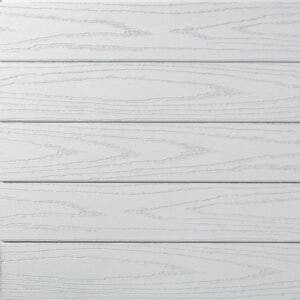
Oyster
From the Porch Collection, a light almost white color with a cool modern gray undertone

Boardwalk
From the Landmark Collection, is a light, warm-gray hue with a seasoned aesthetic inspired by weathered coastal boardwalks.

Timber Gray
From the Harvest+ Collection, is a light, warm hue with the patina of lightly sun-bleached teak or cedar for a welcoming, seaside cottage look.

Slate Gray
From the Harvest Collection, is a warm-toned light gray for an attractive, highly versatile hue that complements a range of home styles.

Coastline
From the Vintage Collection, is a medium gray with warm tan and charcoal undertones for the inviting look of aged hardwood.
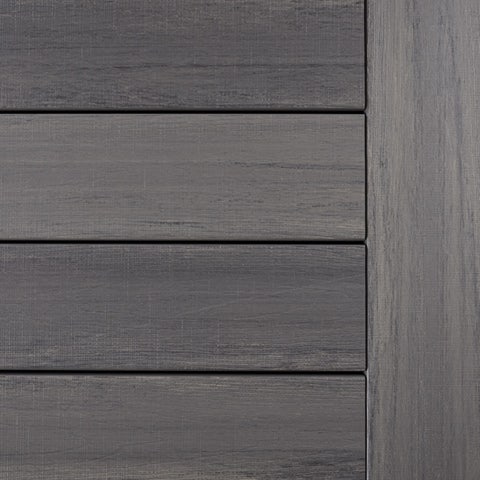
Castle Gate
From the Landmark Collection, a stormy gray with cool undertones for a modern look that resembles weathered reclaimed wood.
Light Tans

French White Oak
From the Landmark Collection, is a light, organic hue with subtle shades of oak, warm grays, and tannins that deliver the look of hardwoods prized by European craftsmen.

Toasted Wheat
From the Harvest+ Collection, is a warm, weathered gray with silvery highlights and hints of darker grays for a sophisticated, gently aged look.

Brownstone
From the Harvest Collection, is a sunny, versatile light tan that works well for home styles ranging from traditional to modern Scandi-inspired designs.

Weathered Teak
From the Vintage Collection, is a warm, sun-washed tan that replicates the attractive, golden hue of teak hardwood.
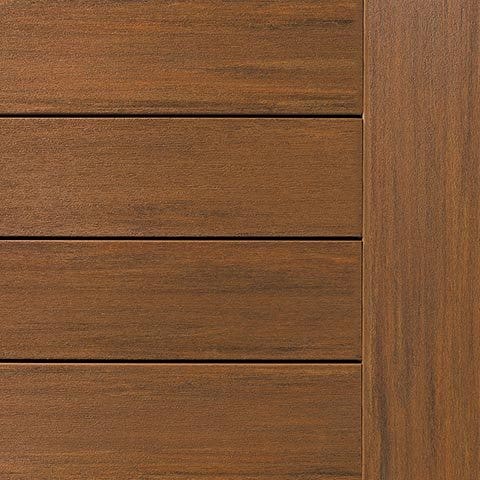
Cypress
From the Vintage Collection, very closely resembles ipe, an exotic hardwood featuring a range of tropical auburn-brown tones with light and dark mineral streaks.
Test Heat Retention for Yourself
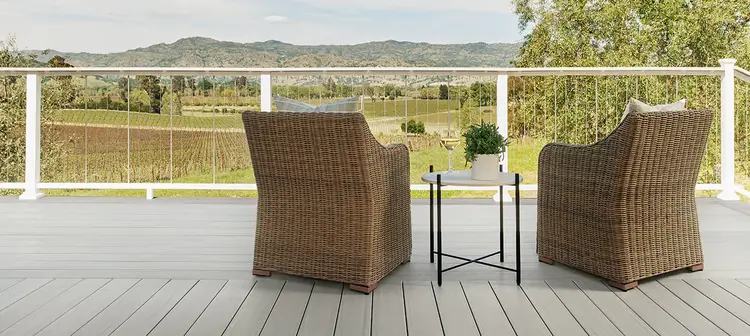
To test heat mitigation of deck boards for yourself, we recommend the following.
- Gather samples — the longer the better, like 2ft samples from a local dealer or retail store
- Place the samples in full sun — let the boards sit for at least two hours
- Test — compare temperatures to help make your color selection
Letting the boards sit in the sun for at least two hours will ensure the most accurate understanding of heat retention. In general, PVC boards can get hotter faster; but, given time, composite boards will get hotter overall. So, if you only let sample boards “heat up” for a few minutes, you won’t get an accurate picture to help you make a truly informed decision. And of course, color still matters here. A darker color like English Walnut, for example, will get hotter in the sun than a lighter color from the same collection — like Coastline.
Heat Retention Tip: Add Shade
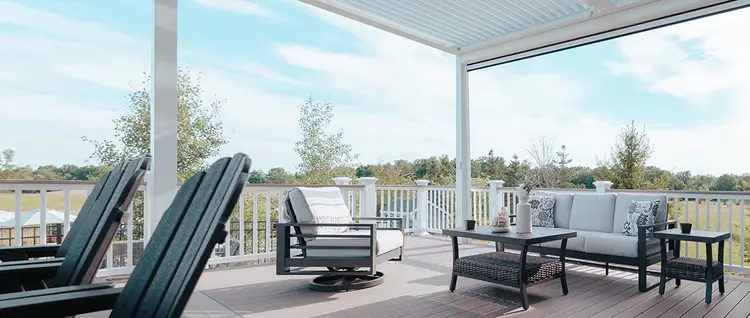
In addition to material and color, another step you can take to mitigate heat on your deck is to add shade elements. Pergolas with adjustable louvers that can be fully closed to help block the sun, or other structures that add shade, can be great functional and design investments for your outdoor space.
By selecting Cool Touch™ colors from heat-mitigating TimberTech Advanced PVC collections, you can create a low-maintenance, durable deck that performs beautifully all year round. Whether you’re hosting gatherings or enjoying quiet moments under the sun, the right decking makes all the difference.
Order Free Samples
Compare colors, finishes, and materials, and see the real wood aesthetics of TimberTech Decking in your outdoor space.

*Although TimberTech PVC Decking is cooler to the touch than many other deck board products, all decking products will get hot in the sun. Additionally, the darker the decking color, the hotter it will feel. For hotter climates, consider choosing a lighter color. See Cool Touch details here.