Real wood beauty with top-rated fire resistance
TimberTech Advanced PVC offers both beauty and fire resistance, giving you peace of mind and a deck you can enjoy for years to come.
Top-rated fire resistance you won’t find anywhere else
No other decking matches the beauty or performance of TimberTech Advanced PVC and features an Ignition Resistant designations, Class A Flame Spread Rating, and/or WUI Compliance.
Design with fire resistance in mind
Fire safety isn't just for fire zones — grill accidents and stray sparks can happen anywhere. TimberTech offers a growing collection of fire-resistant products for an added layer of peace of mind. Our Vintage and Landmark Advanced PVC Decking collections are Ignition Resistant, WUI Compliant, and Class A Flame Spread Rated. Our Aluminum Framing is non-combustible and Class A Flame Spread Rated — and our Railing collections include two non-combustible metal options as well as Class A Flame Spread Rated vinyl. Here's what each rating means.
Ignition Resistant
In California, and surrounding states that have adopted their standards, “ignition resistant” refers to building materials that resist catching fire or burning easily and that may slow the spread of flames. Ignition-resistant decking is less likely to catch fire compared to traditional and composite decking materials.
Flame Spread Rating
This rating measures how quickly a material ignites and spreads flames. Class A is the best rating, signifying a material with the highest resistance to flames. No other leading composite manufacturer has decking with a Class A Flame Spread Rating.
WUI Compliance
Wildland Urban Interface refers to zones where houses and areas prone to wildfires meet. Local building codes in WUI zones mandate fire-resistant materials for construction projects, including decks. WUI-Compliant materials resist flame spread and catching fire due to flying embers. TimberTech Advanced PVC Decking collections — and select Composite Decking collections — meet WUI Compliance standards, ensuring your deck adheres to regulations and offers an extra layer of protection.
Here’s what makes a deck WUI Compliant in the state of California (and other neighboring areas):
Resists Flame Spread WUI-approved decking has a flame spread rating from an A to a C. An A rating means it has the lowest rate of flame spread and burns more slowly.
Resists Embers Wildfires often shower sparks and embers, which can ignite materials. WUI-Compliant decking resists catching fire due to flying embers.
Non-Combustible
A material classified as noncombustible won't burn or ignite when exposed to a direct flame. Along with other home hardening measures, choosing noncombustible products may help resist damage from external fire.
Leading the way in fire-resistant decking
When it comes to fire resistance, not all decking is created equal. If you're building in a wildfire-prone area, TimberTech Vintage and Landmark collections are the best choice — the only collections on this list to combine Ignition Resistant, Class A Flame Spread, and WUI Compliance. See how TimberTech compares to other decking brands below.
Trex, Fiberon, and Deckorators ratings are based on competitors' published information.
The total solution for a fire-resistant deck
Build your entire deck with our fire-resistant products for a more fire-conscious outdoor space.

Fire-resistant foundation
TimberTech® Aluminum Framing is naturally noncombustible and carries a Class A Flame Spread Rating, and helps contribute to the fire resistance of your deck.
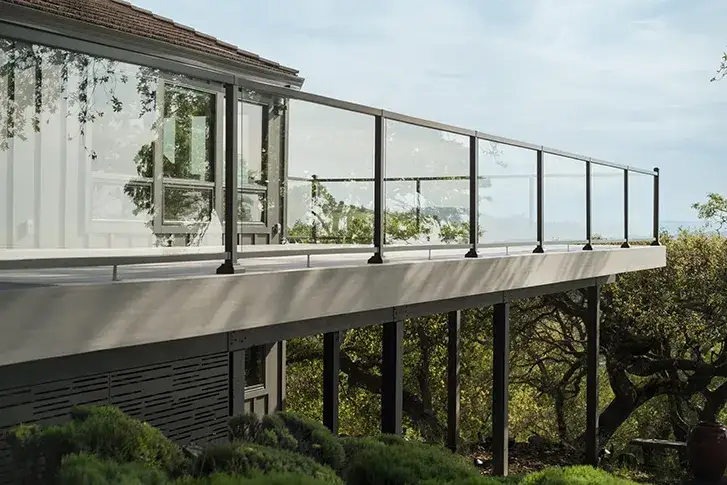
Fire-resistant railing
Impression Rail Express®, Impression Privacy Screen®, Fulton Rail™, and Reliance Rail™ all offer excellent fire-resistance — from noncombustible aluminum and steel to premium vinyl with a Class A Flame Spread Rating.
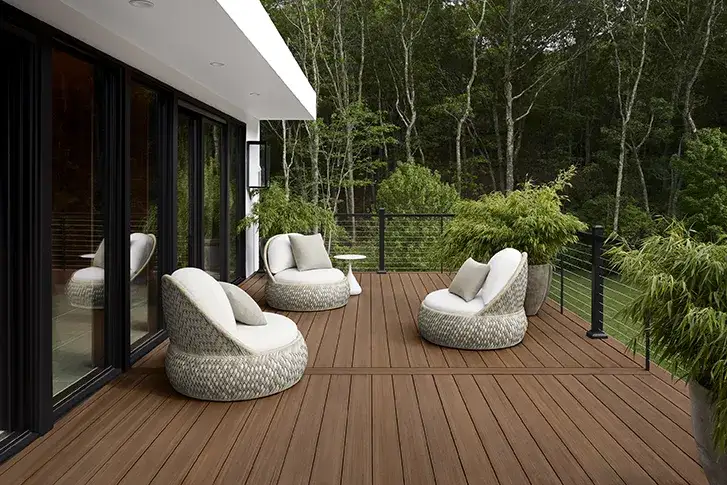
Fire-resistant decking
From Vintage® and Landmark® to Harvest®, Porch, and more, our Advanced PVC collections are engineered for fire resistance without sacrificing the look of real wood. See the full range of colors and styles.
The future of decking is here
Our decking looks like real wood, but it's engineered with innovative technology that delivers superior durability and protection against the elements. Learn how we design our decking to provide long-lasting performance with only minimal upkeep.
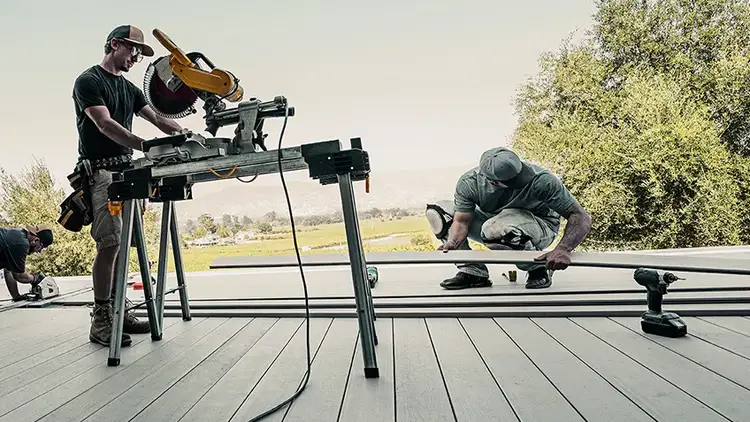
Resources for professionals
From information about the testing, ratings, and science behind our fire-resistant building solutions to technical specs, installation help, and more, we’ve got the guidance you need for every deck build.
Fire Resistance FAQ
Is TimberTech fireproof?
What does having an ignition resistant designation, Class A Flame Spread Rating or WUI Compliance mean for a deck?
Will a TimberTech Advanced PVC deck still be standing after a fire?
How did TimberTech Advanced PVC Vintage and Landmark Collections earn the Class A Flame Spread Index Rating?
Is TimberTech decking officially fire-rated by UL (such as UL263), and does it guarantee a reduction/discount on homeowner's insurance?
How does flame spread apply to fascia and risers?
Does TimberTech PVC decking release toxic gases when exposed to fire?
What is the difference between a Flame Spread Rating and a Fire Rating?
If you have any questions not answered here, we’re happy to help – just contact us or call 1.877.275.2935.
Learn more about fire resistance and your outdoor space

How to harden the exterior of your home against fire
Understand the concept of home ignition zones to safeguard your home from wildfires. Prepare your property with key strategies.

From fire resistant to non-combustible — understanding the language of fire prevention
Make informed decisions about deck upgrades with a clear understanding of fire prevention terms and their significance for safety.

Flame Spread Ratings, Ignition Resistance & WUI Compliance: What Homeowners Need to Know
What is flame spread rating and how do you know what a good rating is? Get answers to these questions and learn why it matters to your home.
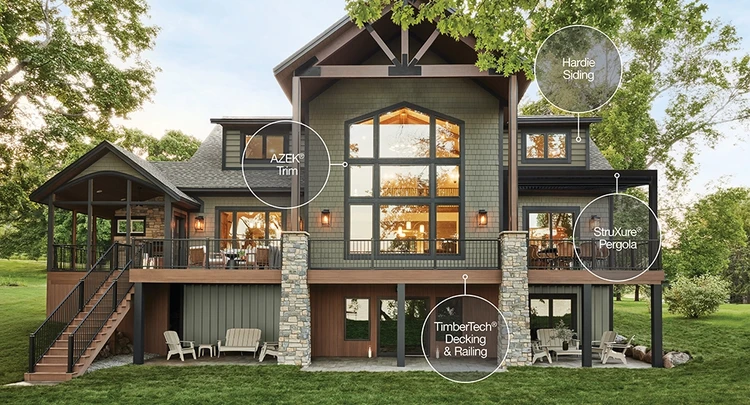
Fire-resistant solutions for the whole home exterior
A more fire-resistant home isn't about one product — it's about the full exterior working together. Across the James Hardie family of brands, you'll find fire-resistant options in siding, decking, trim, and outdoor structures, so building a cohesive exterior is easier from start to finish.