A Simple Guide to the Anatomy of a Composite Deck Board
March 20, 2026
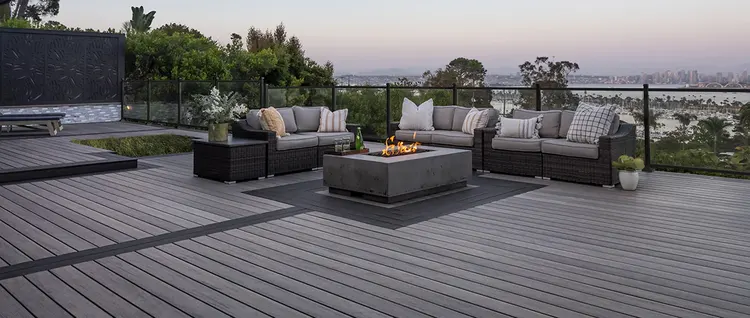
When you look at a beautiful composite deck, you see the rich colors and textures that invite you to plan a summer barbecue or enjoy a quiet cup of morning coffee. But beneath that stunning surface lies a marvel of advanced engineering. To truly appreciate why composite decking outperforms traditional timber, you need to look past the surface — and see what's inside.
Taking a close-up look at the anatomy of a composite deck board explains exactly why it captures the real wood look without the constant upkeep of actual wood. It reveals why these boards resist rot, handle heavy foot traffic, and stay beautiful for decades. It’s not just plastic and wood mashed together. It's a carefully engineered system designed for longevity and sustainability.
In this guide, we'll break down the essential components of TimberTech deck boards — the core, the cap, and the unique material composition that makes them a smarter choice for your outdoor living space.
The Core: A Foundation of Strength and Sustainability
At the heart of every composite board lies the core. This is the structural backbone of your deck. Unlike a traditional wood plank, which is a solid piece of organic material prone to absorbing water, twisting, and warping, a composite core is engineered for stability.
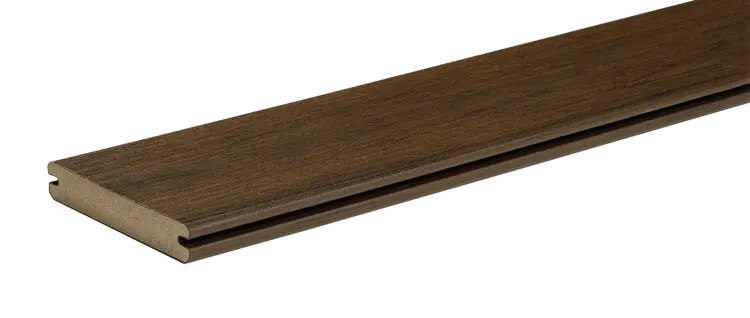
The composite core is a dense blend of materials designed to provide a solid, substantial feel underfoot. It mimics the weight and solidity of premium hardwood but eliminates the natural flaws found in lumber. By tightly bonding these materials together, the core creates a dense barrier that resists moisture intrusion, delivering structural integrity that helps ensure your deck stays flat and level, regardless of the weather conditions.
The Materials: What Are PVC and Composite Boards Made of?
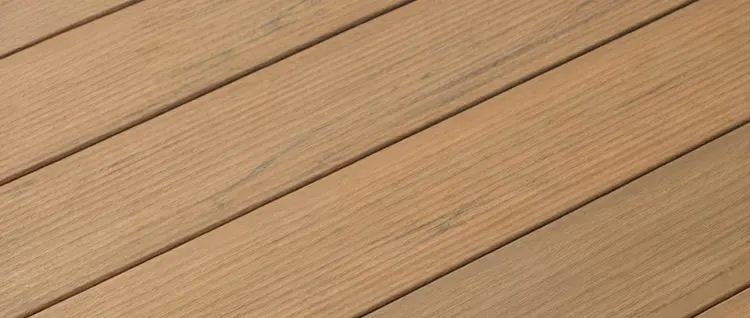
To get the right balance of strength, beauty, and resilience, we use specific ingredients — the perfect mix of science and sustainability.
Organic Wood Fibers
Composite decking is made with organic wood fibers to provide rigidity and strength. It gives the board that familiar, solid density you expect from a high-quality building material and also helps reduce thermal expansion.
Recycled Polymers
In addition to keeping the cost and environmental impact of TimberTech boards lower, recycled polymers add impact resistance and flexibility as well as moisture resistance.
Virgin Polymers
Our non-recycled, or virgin, polymers provide many of the same benefits as the recycled, while also improving the overall performance and quality — especially when it comes to maintaining predictable color and surface finish.
TimberTech Composite Decking is made from a blend of virgin and recycled polymers, along with organic material like wood flour, while our Advanced PVC Decking is made from a blend of virgin and recycled polymers — and zero organic material.
Explore the difference here: https://www.timbertech.com/products/compare-decking/
What sets TimberTech apart is our commitment to excellence at every stage of the process. We prioritize both the quality and sustainability of our materials, using higher percentages of recycled content without compromising board integrity. Our organic materials are reclaimed sawdust and wood scraps from woodworking manufacturers — not freshly cut trees — and we use high-performance polymers that ensure the core remains durable and rot-resistant, all while diverting millions of pounds of plastic waste from landfills every year.
Our advanced blending techniques ensure a tighter bond between wood fibers and polymers, leading to greater resistance against moisture and wear. This results in composite deck boards that not only capture the authentic look and feel of real wood but also deliver industry-leading longevity.
The Cap: A Protective Shield
While the core gives a deck board its strength, the cap provides beauty and acts as its armor. The cap is a high-performance outer layer that is co-extruded (bonded) to the core during manufacturing. Think of it as a permanent, impenetrable seal that locks out the elements.
This outer shell is made from premium virgin polymers to ensure the highest quality and is engineered to resist the daily wear and tear of outdoor life. The cap's purpose is twofold:
- To protect the core from UV rays, moisture, weather, and more
- To provide the colors and grain patterns that you see and feel
Why Four-Sided Capping Matters
Many composite decking brands only cap three sides of the board, leaving the bottom exposed to save on manufacturing costs. While TimberTech does offer some value-priced collections with three-sided capping, performance is the priority. Most TimberTech collections feature feature four-sided capping (even in the grooves) for a complete protective barrier — a seemingly small difference in manufacturing that prevents the long-term moisture issues that can plague lesser boards.
Unmatched Moisture-Resistance
Water will always find the path of least resistance. If the underside of a board is left exposed, moisture can seep into the core from below, leading to damage like mold, mildew and rot.
Four-sided capping wraps the entire board — top, bottom, and sides — in that protective polymer shield. This leaves no entry point for water, mold, or mildew, ensuring the structural integrity of the board remains uncompromised even in wet climates.
Superior Durability and Longevity
Because the cap protects the board from every angle, the lifespan of the deck can increase significantly. Four-sided capped boards are far less likely to cup, warp, or crack over time. This 360-degree protection essentially seals the board against time and weather, making it possible to offer superior, long-term warranties.
A Consistent, Lasting Finish
The cap also locks in a deck board's color. High-quality capping technology includes UV inhibitors that prevent the sun from fading the rich hue of your decking. This means the color you choose today will be the same color you enjoy years from now — without you ever needing to pick up a stain brush.
Surface Textures and Color Technology
Composite decking gets its look from specialized technology that applies color and texture to the cap layer. Most brands offer basic coloring, but TimberTech goes further with proprietary color blending and embossing with natural wood grain textures.
Our proprietary process creates unique highlights and depth, imitating the nuanced tones of natural hardwood. In our ultra-premium Advanced PVC collections, we use even more refined texturing and color layering for a truly realistic, low-maintenance wood look — the kind of finish that stands out and stays beautiful over time.
TimberTech Advanced PVC and Composite Decking Compositions
When you break down the composition of our boards, you see our commitment to sustainability in the numbers.
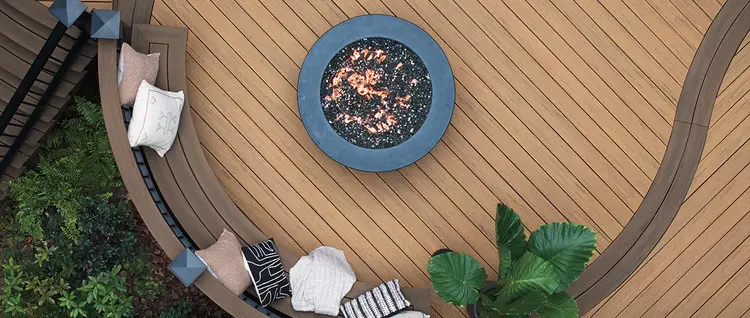
- For our Composite Decking, the board is typically composed of a blend that can reach up to 85% recycled content. The core makes up the majority of the volume, utilizing that robust mix of recycled wood fibers and plastic (like grocery bags and milk jugs). The cap is a concentrated layer of premium polymer engineered for toughness.
- For our Advanced PVC Decking, the composition is 100% synthetic material in the core and cap — with zero organic wood fibers. These collections feature approximately 65% recycled material and are ideal for use around water or in humid and coastal regions.
The Final Product: A Smarter Decking Solution
When you combine a dense, moisture-resistant core with a protective, four-sided cap, you get a product that solves the inherent problems of wood. You get a "real wood look" that doesn't turn gray or splinter. You get a sustainable product that helps reuse millions of pounds of waste. And, most importantly, you get a deck that lets you spend your time relaxing rather than working. Overall, it's a smarter, longer-lasting investment for your home.