The Best Material for Docks and Waterfront Homes
March 20, 2026
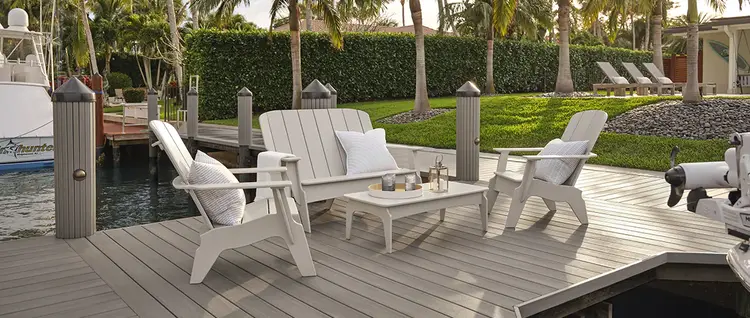
There is something undeniably special about living on the water. Whether it’s a lake house, a beachfront property, or a home with a private dock, the connection to nature is a major part of the lifestyle. However, that beautiful proximity to water comes with a specific set of construction demands. The material you choose for your outdoor living space isn't just an aesthetic choice; it is critical for the long-term performance and safety of your structure.
When you build near water, you need materials that can withstand elements far harsher than those found in a typical suburban backyard. Choosing the right decking ensures your investment lasts for decades, rather than becoming an ongoing maintenance headache.
Unique Challenges for Living on the Water
Your waterfront outdoor space faces constant environmental stressors. While a standard deck deals with rain and sun, a waterfront deck or dock must endure much more.
Consider the humidity levels, which remain consistently high near bodies of water. If you are on the coast, you also have to deal with salt spray, which is notoriously corrosive to many building materials. And docks also face the added challenge of direct contact with water — often being submerged during high tides or storms. Standing water, intense reflected sunlight from the water’s surface, and heavy foot traffic from swimming and boating activities all take their toll. These conditions create a perfect storm that can rapidly degrade inferior materials.

Why Traditional Wood Fails in Waterfront Settings
For generations, pressure-treated lumber was the default choice for docks and boardwalks. While it offers a classic appearance initially, wood is fundamentally flawed for wet environments. Using wood in these settings often leads to an ongoing cycle of frustration and costly repairs.
Wood is porous. It naturally absorbs moisture from the air and water from the lake or ocean. As it soaks up water and then dries out under the sun, it expands and contracts — and, over time, this movement causes warping, cupping, and cracking.
This moisture absorption also creates a breeding ground for mold, mildew, and rot. In a waterfront environment, rot compromises the structural integrity of your deck or dock, making it unsafe. Plus, constant exposure to the elements causes wood to splinter, which is a hazard for bare feet. Ultimately, you have to sand, stain, and seal the wood frequently — a labor-intensive process that eats into the time you should be spending enjoying your outdoor space.
Why Choose TimberTech Advanced PVC for your Waterfront Location?
For homeowners who want the authentic, warm look of real wood without the weaknesses that come with it, TimberTech Advanced PVC Decking is a smart and beautiful alternative that delivers high-performance durability specifically designed to handle the rigors of life on the water.
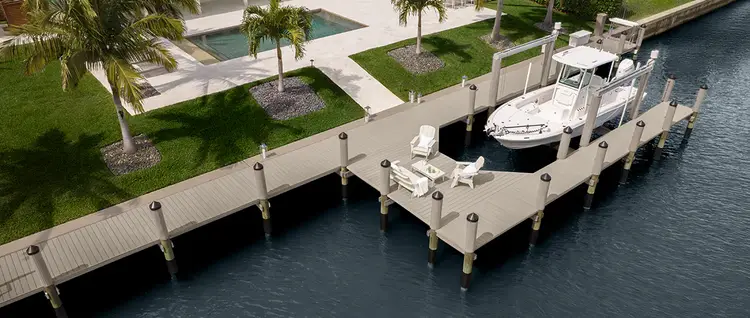
Engineered for Unmatched Moisture and Weather Resistance
TimberTech Advanced PVC Decking is made from high-performance polymers. Unlike composite decking, which contains wood fibers, or traditional lumber, our Advanced PVC boards are 100% inorganic — containing no wood flour or organic fillers.
Because there is no organic material to feed mold or mildew, the boards are exceptionally resistant to rot and decay. Our four-sided capping technology adds an extra layer of protection, wrapping the entire board — even down into the grooves — helping to effectively resist water and moisture.
Cooler and More Comfortable Underfoot
Waterfront living usually means bare feet. On a hot summer day, traditional wood and dark composites can become uncomfortably hot, making your dock or deck unusable without shoes.
TimberTech Advanced PVC Decking is specifically engineered to be cooler to the touch than traditional composites. Select Advanced PVC colors feature Cool Touch® Technology helps reduce surface temperatures, making your outdoor space more comfortable— even on sunny afternoons.
Slip Resistance and Waterfront Safety
Wet wood can become incredibly slippery, posing danger to anyone walking on the dock. Algae growth on wood further increases this risk.
TimberTech Advanced PVC collections are engineered with safety in mind — featuring textured, embossed grain patterns that provide higher traction than smooth wood surfaces. This slip resistance is vital for areas that are frequently wet and helps give you peace of mind.
Enhancing Slip Resistance
To maximize safety on your waterfront project, consider these design and installation choices:
- Choose materials with textured, slip-resistant surfaces: Opt for boards with a distinct wire-brushed or hand-scraped texture to increase friction
- Ensure proper deck slope and drainage to prevent standing water: A professional installer will ensure the substructure is pitched correctly to encourage runoff
- Install adequate lighting for nighttime safety: Riser lights on stairs and post cap lights help define edges clearly after sunset
- Use contrasting colors on steps and edges to improve visibility: Using a darker board for the picture frame (border) or stair treads can help guests see changes in elevation
- Add railing around the perimeter: A sturdy railing system is essential for preventing falls, especially on elevated decks or rough water days
Durability and Low Maintenance
The biggest advantage of choosing TimberTech Advanced PVC is the shift from constant upkeep to relaxation. You shouldn't have to spend your weekends pressure washing and staining your dock.
Our capping technology provides industry-leading resistance to fading and staining. Salt water won't degrade the finish, and spills from sunscreen or food wipe away easily. This durability ensures your deck retains its real wood look for decades with only occasional cleaning required.
Best TimberTech Collections for Waterfront Projects
We offer several collections within our Advanced PVC line that are perfect for waterfront applications.
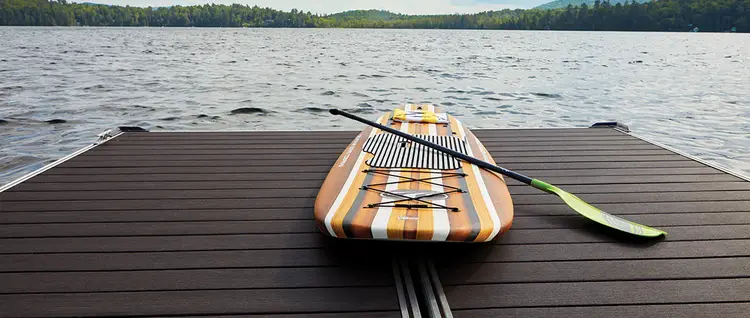
TimberTech Advanced PVC with MAX Boards: For docks and boardwalks, structural integrity is key. Our MAX boards are 1.5 inches thick (compared to the standard 1 inch), allowing for wider joist spacing and a sturdier feel underfoot. They are ideal for marinas and heavy-use docks.
Vintage Collection®: If you want the most realistic wood look available, this is it. This collection features a wire-brushed finish and multi-tonal colors that mimic premium hardwoods like ipe and teak.
Landmark Collection®: Inspired by reclaimed wood, this collection features a dramatic, cross-cut grain texture and unique color blending.
Harvest+ Collection®: Bring the character of gently worn hardwoods to your outdoor space. This collection features a beautifully aged patina for a natural, lived-in look.
Harvest Collection®: A versatile option featuring a classic cathedral grain and soft colors that suit a range of home styles.
Aluminum Framing for Added Moisture-Resistance
While most people will focus on the surface material, the frame underneath supports it all — and is just as important. Traditional wood joists and beams are subject to the same rot and decay issues as wood decking, especially when close to the water.
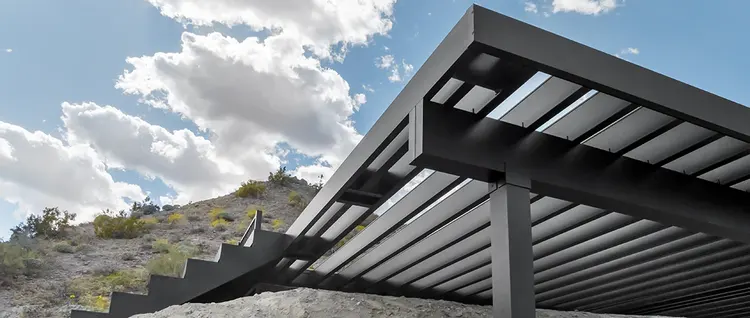
TimberTech offers a fully engineered aluminum framing system that is perfectly suited for docks and waterfront decks. Unlike steel, aluminum provides excellent rust resistance, making it a better choice for saltwater environments. When installed properly, it can help ensure your deck or dock surface remains flat. And because it's inorganic, it won't rot, warp, or split, providing a base that lasts just as long as your premium decking. It is a complete system solution that ensures structural integrity even when the substructure is near or submerged in water.
A Space for Relaxation — Not Constant Repair
Building on the water requires materials that are tough enough to handle the environment but beautiful enough to match the view. Traditional wood just can't compete with the performance of modern engineering. By choosing TimberTech Advanced PVC Decking and Aluminum Framing, you get a dock or deck that resists moisture, stays cooler, provides better traction, and looks like real wood without the work.